2026-11-18
It has a name
The game creator is called Morvik. The card game on Laconova Play now fits phones in both orientations.
 LACONOVA LABS
Back
From a sketch to a game you can play.
You bring the idea. The genre, the camera, the one mechanic you can't stop thinking about. Morvik turns it into a playable prototype — so you find out if the game is fun before you put months into it. It doesn't start from an empty scene. It starts from a library of assets that grows with every game.
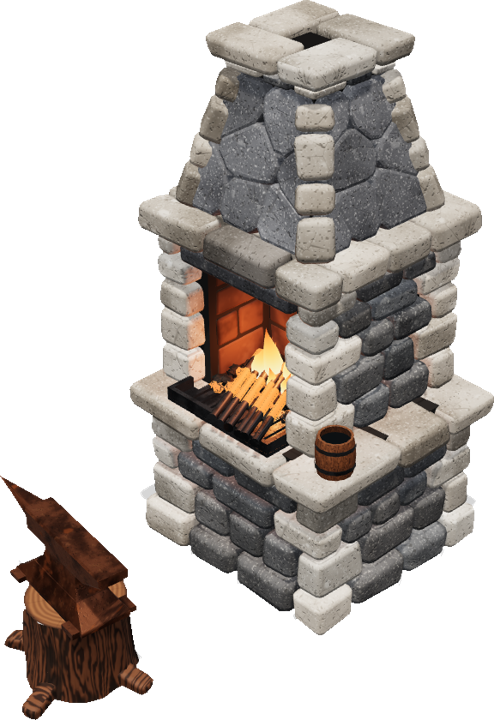
Most game ideas never get far enough to find out if they're any good. It's rarely the idea. It's everything around it.
Before the first fun minute there are weeks of placeholders, menus and plumbing. Ideas die right there.
Some people can code but can't make art. Others make great art and get stuck on code. Hardly anyone does both.
A stack of agent prompts can claim a feature works. It doesn't mean the game starts. Somebody has to check.
One contact who keeps the overview, and a team of specialists behind it.
2D or 3D, perspective, genre, the ideas you want in. You can skip it and pick the parts yourself.
From your answers Morvik lays out a rough scaffold of the game. You fill it in: story, assets, mechanics, UI.
Code, assets, story and UI each get their own agent. The lead agent talks to you and hands the work out — it never guesses on its own.
Every step has to pass tests written in code before it counts. Two independent reviewers, deliberately broken versions that must fail, and a check that the game actually runs.
A pipeline with real gates — not a role-play swarm.
Morvik isn't one big launch. It's parts that already work, put together.
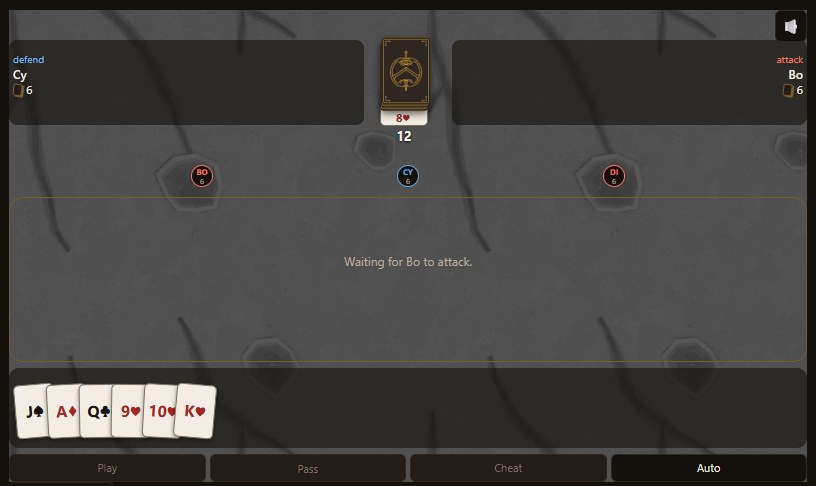
A multiplayer card game for phone and PC — room code, nickname, play. Every step was written as a spec and went through the same build chain: a coder, an independent reviewer, broken versions that had to fail, and a final check.
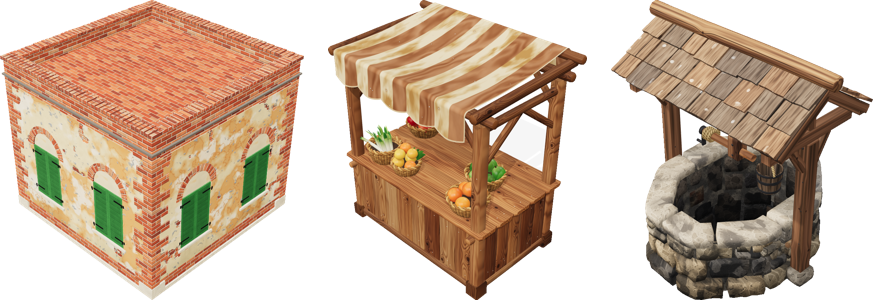
Buildings, props, fences and crates in one consistent stylised look, many as generators with variants. Built with Phoenix, our open-source creative tool, which also handles voices, sound and cutscenes.
Your own art, your own code, your own story. Morvik fills the gaps you want filled and leaves the rest to you.
Genres and mechanics, yes. Rebuilding somebody else's game, no. Morvik is for games that don't exist yet.
Honestly: Morvik isn't open to the public yet. The goal is to show a few games made with it — an arcade game, a strategy game and an RPG — in spring 2027. Until then I work with a few people directly. If you have a game in your head, tell me about it.
The game creator is called Morvik. The card game on Laconova Play now fits phones in both orientations.
A card game for friends, played in the browser with a room code. The first thing built end to end through the chain.
The asset library becomes the starter pack every new game begins with.
The build loop behind a small village simulation — 30 layers, each one gated by tests — turns out to be the real product: a pipeline for anyone who wants to build games.